
Benjamin Hagan from Ireland
Irish army Ben
The Great Famine
This Benjamin was the person who inspired me to delve into my fsmily history. It began when I was 11 years old with my grandfather giving me a saw fish saw and a whip made from a single section of a branch.
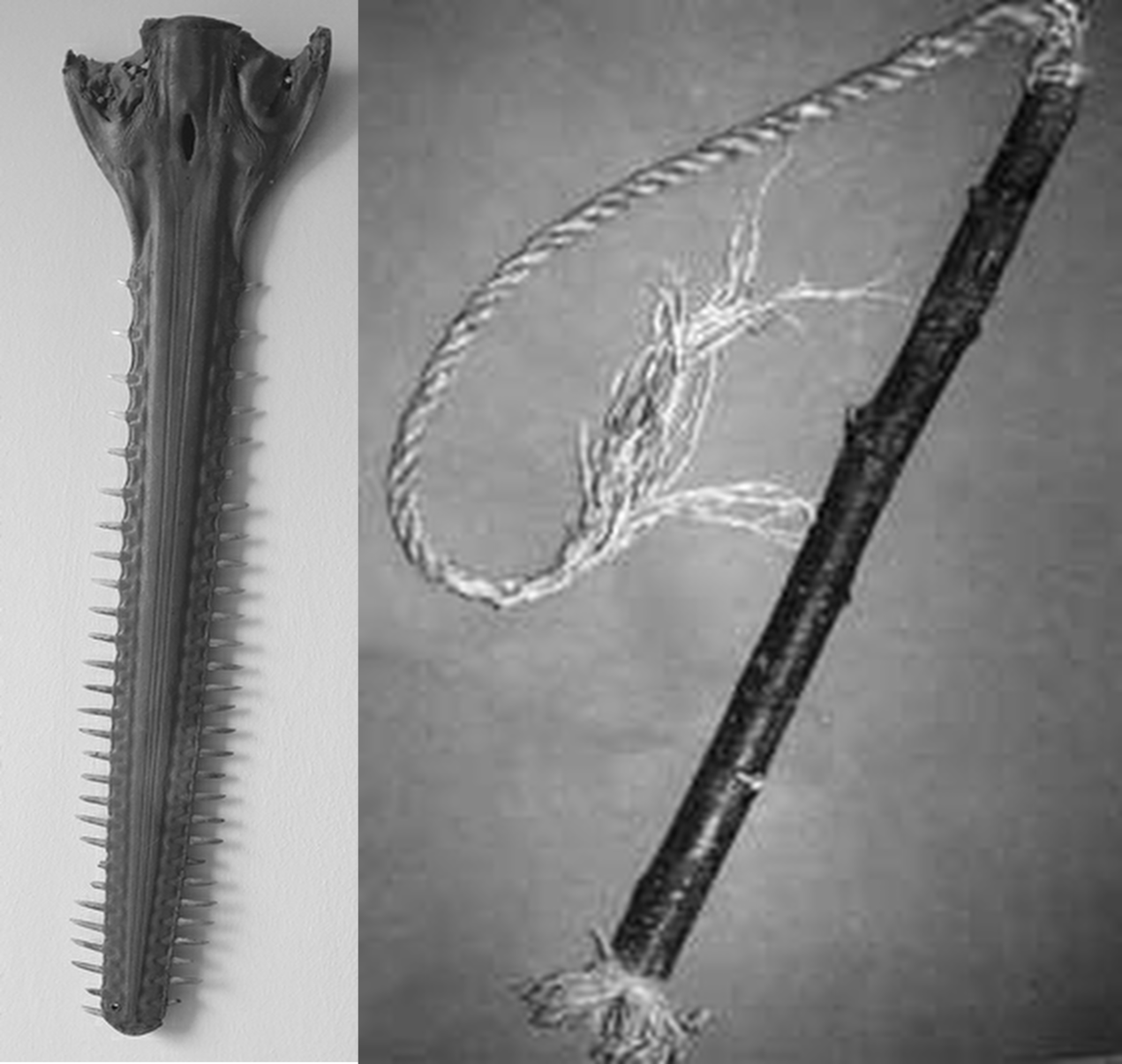
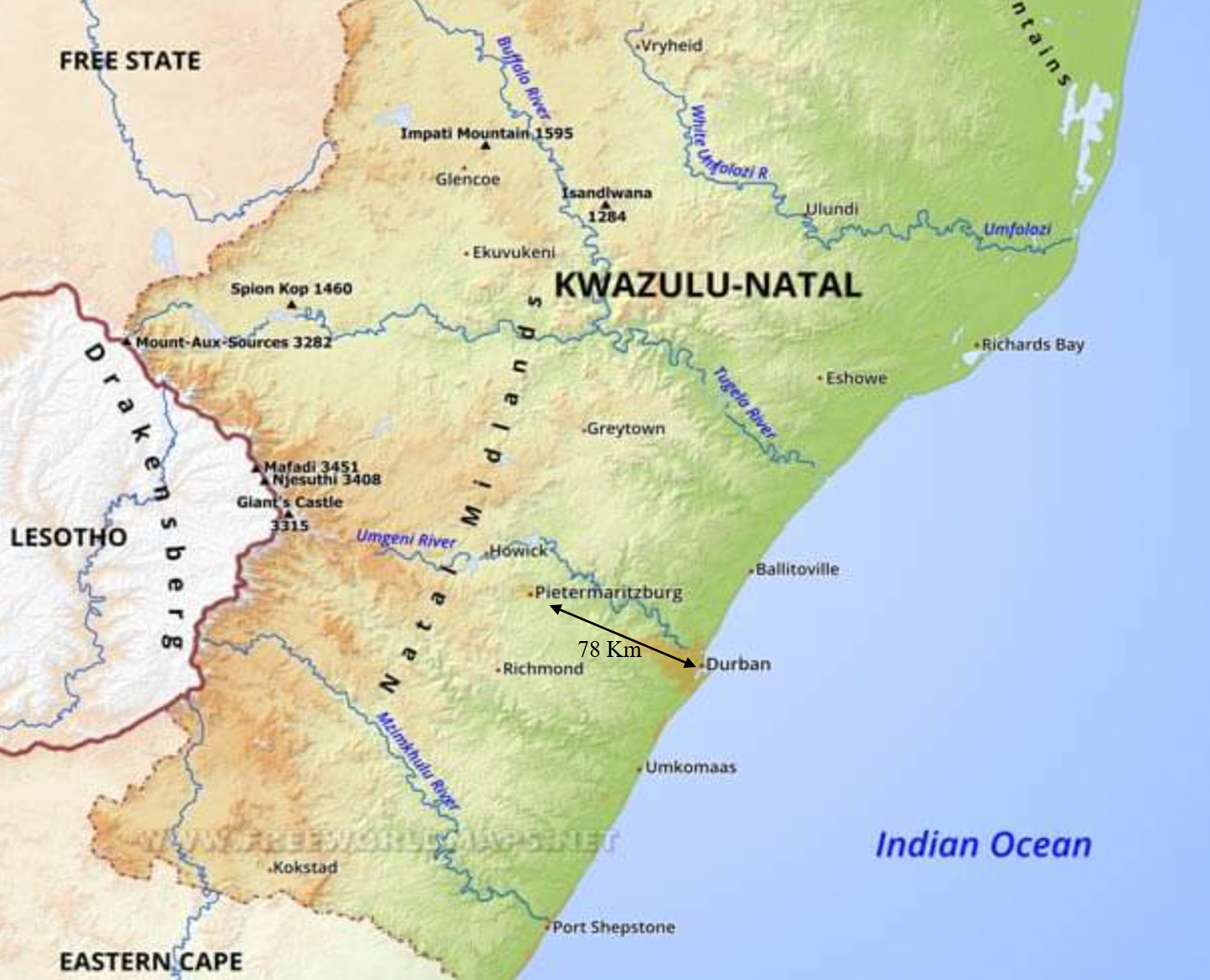
Unfortunately aged 11, I tried to crack the whip. It didn't work but it did spoil the whip end somewhat becoming frayed. It remained in a drawer at home for nearly 40 years. In summer about 20 years ago we decided to holiday in London and visit Kew Gardens. I took the whip and explained my grandfather had given it to me saying that it had belonged to his father and it was from Africa. At Kew they were interested, so much so, they would like to borrow it. After several months they had identified the plant and its location; Peddiea africana from Natal, South Africa. They also wanted it for their collection. It is now stored in the archives at Kew. Maybe the whip came from Pietermaritzburg and the sawfish saw from Durban. The 13th Regiment was there from May to October 1885 when they embarked for Portsmouth, England.
During his 20 years of military service he served in Canada, East Indies, Afghanistan and South Africa.
Before she died I asked my mother to give me the family papers. The only copies I had for my grandfather Ben Hagan were a short birth certificate and his marriage certificate. The marriage certificate gave his father as Benjamin Hagan, sergeant major in the 13th Hussars, deceased. The second part was correct, but for the first part he was rather imaginative; he was a corporal. I sent for his papers and they revealed that he joined the army in January 1866 giving his age 18. This means he was born during the Great Famine, 1848.

Irish 1840's famine
How did the great potato famine of the 1840´s come about? Of course it was a combination of issues: the particularly wet weather over a number of years allowing potato blight to take hold. This decimated crops and for many Irish potato was the staple diet. These tenant farmers also faced the demands of the landlords: potatoes should continue to be exported to England. Landlords were installed once the Irish had been finally defeated at the beginnig of the 17th century. English and some Scottish took the land from the Irish landowners and regranted it back to the Irish on condition that they paid to use it. The given strip of land was initially sufficient for a family but as generations evolved the land divided amongst the children making it nearly impossible to support all. New, but poorer, land had to be found or for many emigration. At the beginning of the famine the population of the island of Ireland wa abut 8 million. at the end it was 6 million; one million emigrated, mainly to America and about one million actually starved to death. Much has been written this event, even a film, "Black 47" was made. I found "Ireland´s Welcome to the Stranger" by Asenath Nicholson a piece of work with depth and heart rending in places. This Youtube clip that discussesthe book is worth watching: https://youtu.be/URKrMgGNf5I
Ben, his brother and his parents lived though this period. Both children left Ireland: John to America and Benjamin to the British army. The family had become Anglicised. Father John was a master baker and a publican and his mother a dressmaker. I have been told that they would have had a relatively good living. Did my Hagan ancestors take a pragmatic approach to life and move away from being croft farmers? I wonder.
Benjamin returned to civilian life in Everton, Liverpool after leaving the army of 20 years. He quickly married Mary Snape Q2 1887 and they had a son born 1888 and a daughter born 1890. Bejamin father died Q4 1890 aged 42 and Mary died Q1 1891 aged 2 years. Mary married had 2 children and after only 4 years had lost her usband and a child. She also lost her husband´s pension. She was forced into poverty. https://www.hagan.me/hagan/orphanage.html